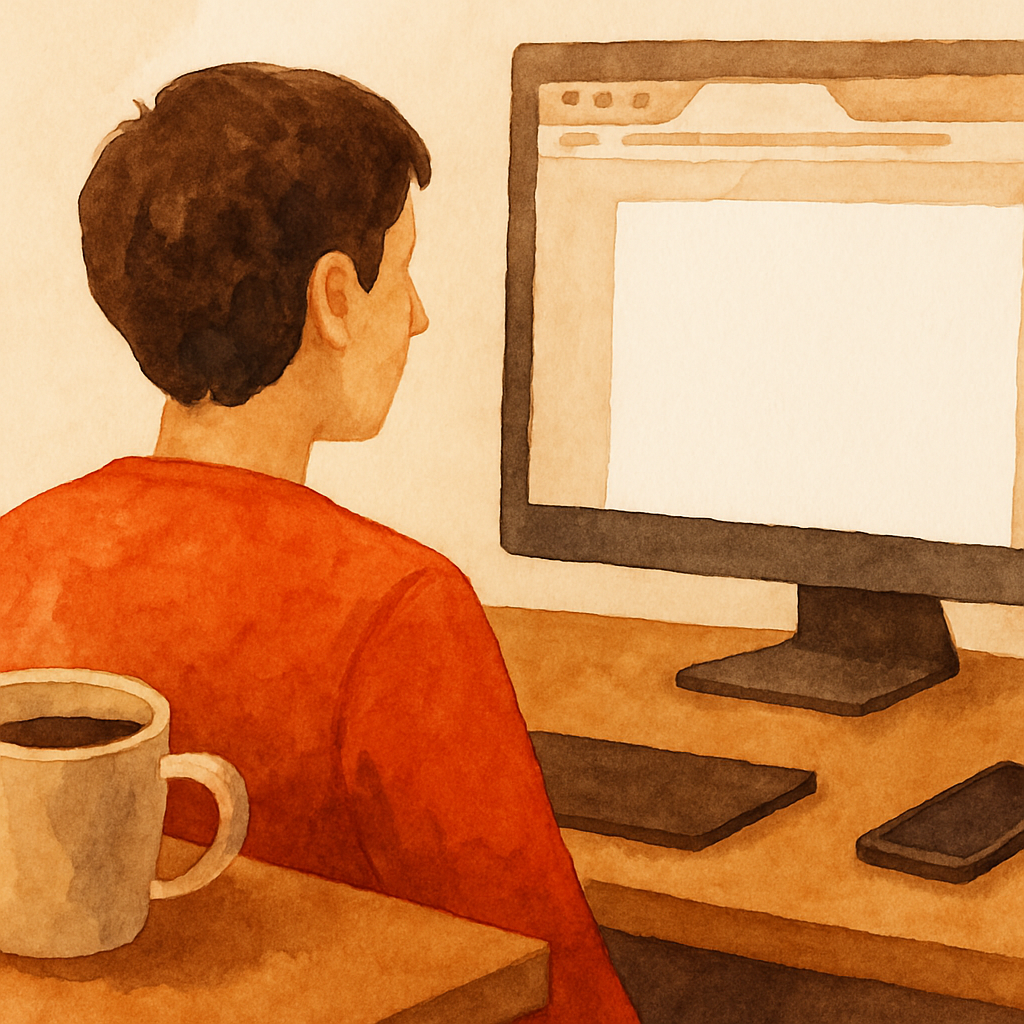

You sat down to work twenty minutes ago. Somehow you’re now reading about the history of a band you don’t even listen to, your coffee is cold, and the task you opened is still blank.
This isn’t laziness. It isn’t a character flaw. For people with ADHD, distraction is a neurological event — not a choice. And understanding why it happens is the first step to actually doing something about it.
Why ADHD Makes Distraction So Hard to Fight
The ADHD brain doesn’t have a broken attention system. It has an inconsistent one. Attention floods in when something is novel, urgent, or personally meaningful — and drains away almost completely when something is routine or low-stakes.
The underlying mechanism is dopamine. Research has found dopamine dysregulation in people with ADHD, particularly affecting regions central to motivation, task initiation, and sustained attention. Without adequate dopamine signaling, your brain actively resists staying locked onto a task. It goes looking for stimulation elsewhere.
That means distraction for you isn’t a focus problem in the way most productivity advice assumes. It’s a dopamine regulation problem. Which is why “just concentrate harder” does absolutely nothing.
Map Your Triggers Before You Try to Fix Them
Most distraction advice skips this step, but it’s probably the most important one.
Not all ADHD distraction looks the same. Yours might be sensory (background noise, visual clutter), internal (an anxious thought that hijacks your attention mid-sentence), or environmental (your phone in your peripheral vision, a browser tab sitting open).
Research in ADHD literature indicates that individuals who identified their personal trigger environments showed meaningful improvements in reducing distraction incidents. That’s a significant gain from something that costs you nothing but five minutes of self-reflection.
A simple trigger audit: think back to the last three times you lost focus on something important. For each one, ask:
- Where were you?
- What was around you?
- What thought or external thing pulled you away first?
- How long had you been working?
After three examples, patterns emerge fast. Most people find they have one or two dominant trigger categories — and that’s where to aim your strategies.
Reduce the Stimulation Your Environment Throws at You
Once you know your triggers, you can start designing around them.
Environmental modifications have been shown to improve task completion in individuals with ADHD. Your environment is doing a lot of the heavy lifting — or working against you.
Some concrete changes that matter:
- Phone out of eyeline, not just flipped over. Visual presence alone is enough to reduce available working memory, even if you don’t touch it.
- One tab rule during focused work. Browser tabs are just queued distractions. If you need to look something up, write it in a note and go back later.
- Noise that helps, not hurts. Total silence can feel unbearable for many ADHD brains. Ambient sound (brown noise, lo-fi music without lyrics, coffee shop background) can provide just enough stimulation to stop the brain from going looking for more.
- Clear visual field. Clutter competes for attention. A cleaner desk isn’t aesthetic preference — it’s fewer things demanding a response.
None of these require willpower. They change the conditions before the battle starts.
Use External Time Structure to Compensate for Time Blindness
One of the least-discussed ADHD distraction triggers is time blindness — the inability to feel time passing accurately. If you can’t sense that 45 minutes have gone by, you also can’t notice that your focus eroded 30 minutes ago. You only discover the drift when you come up for air and realize you’ve been on Reddit.
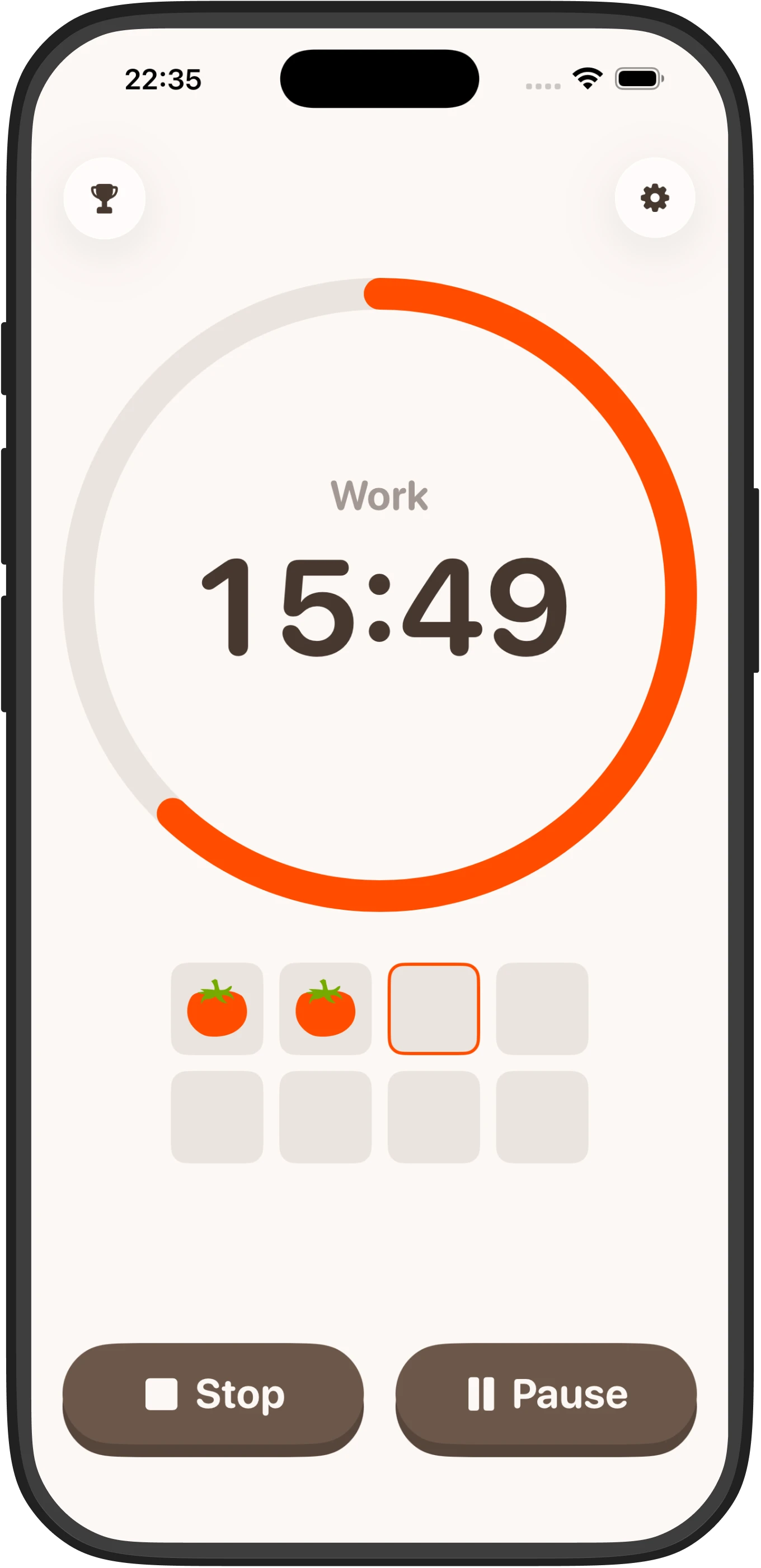
External timing creates the structure your internal clock doesn’t provide. Visual timers and structured breaks have been shown to improve task adherence in individuals with ADHD. The timer isn’t just a productivity tool — it’s a substitute for a neurological function.
This is where timed work intervals (like the Pomodoro Technique) do their best work for ADHD. Rather than asking yourself to focus indefinitely, you set a specific, visible endpoint. The brain tolerates that much better.
For more on how timed intervals interact with ADHD attention regulation, the article on ADHD time blindness and focus covers time perception and attention in detail.
Work With Task Switching, Not Against It
Here’s a counterintuitive one: forcing yourself to stay on a single task for hours often backfires with ADHD. The brain starts treating the task as stale, dopamine drops, and distraction spikes.
Structured task-switching — deliberate, timed transitions between related or varied activities — can reduce distraction compared to sustained single-task conditions. The key word is structured. Unplanned switching (checking email because you’re bored) is still distraction. Planned switching (setting a timer, finishing a focused block, then consciously moving to a different task) is a strategy.
A practical version: break your work into 20–25 minute blocks. Each block has one specific goal written down before you start. When the timer goes off, you either continue or switch intentionally — not because something else grabbed your attention.
Add Novelty to Tasks That Feel Flat
Because ADHD brains are dopamine-seeking, “boring” tasks create their own distraction problem. The task is aversive, the brain wants out, and anything else looks more interesting by comparison.
One underused solution: inject novelty into the task itself rather than the break.
Research indicates that novelty and reward anticipation can increase engagement with tasks. In practical terms, this means small changes to how or where you work can reset the brain’s interest threshold:
- Work from a different location (even just a different room, or a coffee shop)
- Use a new color pen or a different app for notes
- Set a tiny, low-stakes competition with yourself (beat your last word count, finish before the song ends)
- Listen to a new playlist instead of the same one
These aren’t distractions — they’re dopamine on-ramps that make starting and staying easier.
Build an Accountability Layer
External accountability is one of the most evidence-backed strategies for ADHD focus, and one of the most underused because it requires another person.
The mechanism is simple: knowing someone else is aware of what you’re doing raises the stakes slightly, which is often enough motivation to override the brain’s resistance. This is why body doubling works — working alongside someone else, even silently, improves task completion for many ADHD people.
You don’t need a full accountability partner system. Low-effort versions include:
- Texting a friend what you’re about to work on before you start
- Joining a virtual co-working session
- Using commitment apps where you post a goal publicly
- Telling a colleague you’ll have something done by a specific time
The social pressure is lightweight, but for the ADHD brain it can be the difference between starting and not starting.
For a deeper look at how to put these strategies into a daily system, the guide on ADHD productivity methods compared covers evidence-based approaches in detail.
FAQ
Can ADHD distraction be cured with medication alone?
Medication can help regulate dopamine and improve your capacity for focus, but it works best combined with environmental and behavioral strategies. Medication alone doesn’t eliminate distraction triggers or teach your brain new working patterns.
Why does background noise help some ADHD people focus?
The ADHD brain often seeks stimulation to maintain dopamine levels. Ambient sound like brown noise or lo-fi music provides just enough external input to stop your brain from going looking for stronger distractions like social media or task-switching.
How long should a focused work block be for someone with ADHD?
Research suggests 20-25 minute intervals work well for most ADHD brains, though this varies by person. The key is finding a length short enough that your focus doesn’t completely erode, then pausing to reset before continuing.
Is body doubling actually effective, or is it just a trend?
Body doubling is backed by research showing that working alongside another person—even silently—improves task completion for people with ADHD. The mechanism is likely increased accountability and external structure, which compensates for internal motivation dysregulation.
What’s the difference between distraction and task-switching for ADHD?
Unplanned task-switching (jumping to email because you’re bored) is distraction and reinforces the pattern. Planned task-switching (intentionally moving to a different task after a timer goes off) is a structured strategy that works with your brain instead of against it.